

The heavy commercial panic bar on our emergency exit door in Tribeca snapped off the frame during peak business hours and they repaired the mechanism safely and passed our safety check instantly.


We need to change two of our locks other companies give us outrageous prices and they got the reasonable price highly. Appreciate the work.

I love ALO locksmith they showed up under one hour and opened the car for me for a reasonable price

alo locksmith help me out they showed up at my place to open my door. And they did it fast. I really recommend their service!

Alo locksmith was the best from start to finish and very professional locksmith work.


One of my employees lost the key to one of our work vans, it’s quite a unique key, thankfully they had my back and were able to send a tech over to help me fix this headache, thank you for your help and transparency !!! Definitely recommend


Great service from ALO Locksmith Manhattan Professional keypad lock installation, quick service, and excellent attention to detail. Highly recommend for reliable locksmith services in manhattan

Great experience with ALO Locksmith Manhattan
Fast, professional panic button installation with excellent service. Highly recommend them for reliable locksmith and security system services in Manhattan



Security Camera System Installation
Monitor your premises around the clock to deter crime and capture clear video evidence.

Commercial Locksmith Manhattan
Secure your business, retail space, and commercial building with tailored access control and physical security.
-
Storefront Lock Service Manhattan: Installation, repair, and maintenance of high-traffic commercial glass door locks, panic bars, and continuous hinges.
-
Locksmith Financial District: Fast, specialized security solutions for office buildings, financial institutions, and commercial suites in Lower Manhattan.
-
Storage Lockout Service: High-security lock cutting, padlocks, and roll-up door lock servicing for storage facilities.

Residential Locksmith NYC
Protect your home and family with high-security locks tailored to NYC apartments, brownstones, and co-ops.
-
Deadbolt Lock Installation and Repair: Upgrade to heavy-duty Grade 1 deadbolts, mortise locks, and high-security cylinders (Medeco, Mul-T-Lock, Schlage).
-
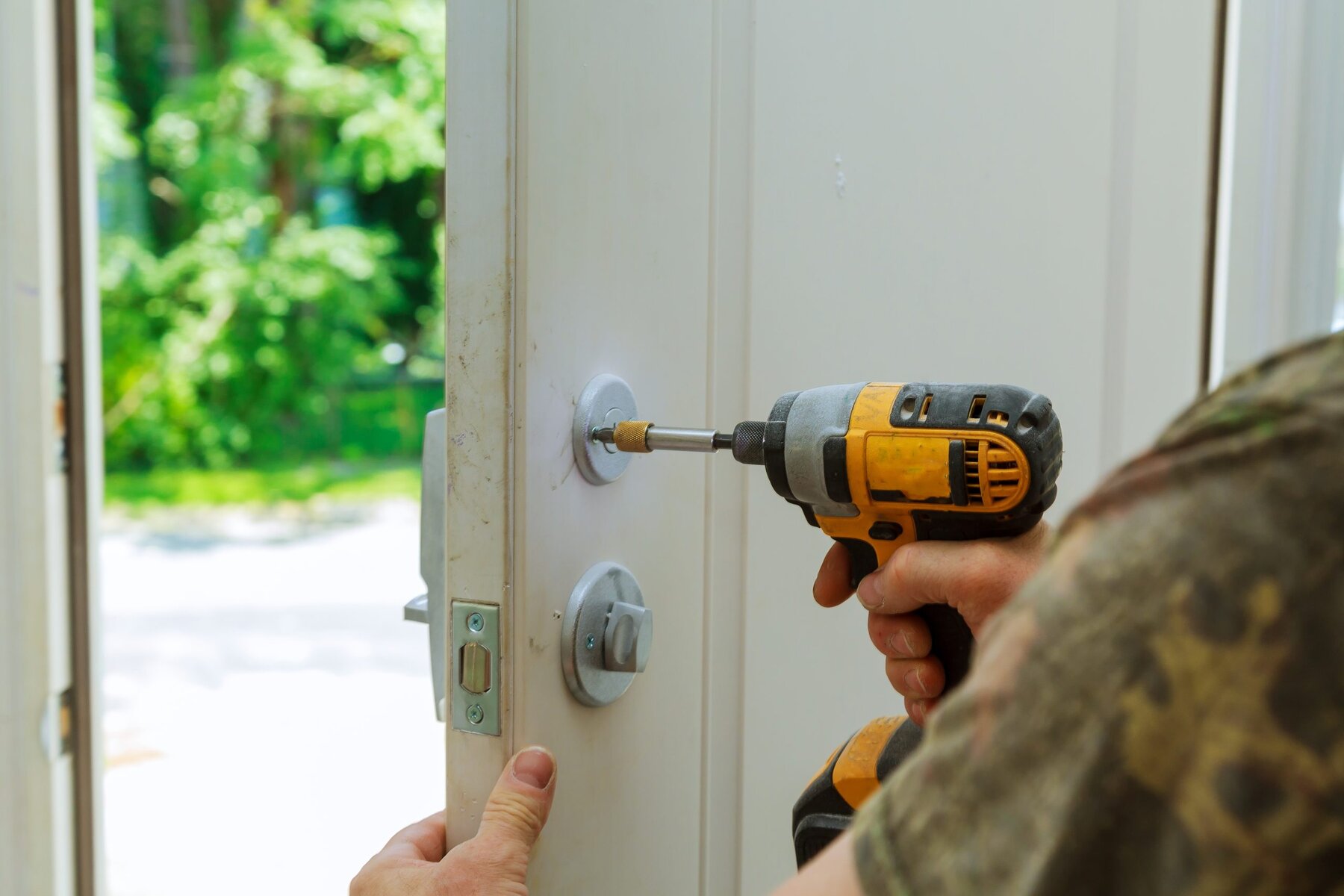
Smart Lock Installation Manhattan: Professional setup of keyless entry, Wi-Fi, keypad, and Bluetooth smart locks for residential doors.
-
Lock Replacement & Rekeying: Complete lock replacement and cylinder rekeying for new home buyers and property landlords.

Automotive Locksmith & Car Key Replacement
Mobile car locksmith team delivering dealership-quality service at your vehicle's location.
-
Car Key Replacement: On-site cutting and programming for standard keys, transponder chip keys, smart keys, and push-to-start proximity fobs.
-
Car Lockout Service NYC: Damage-free door and trunk unlocking for all vehicle makes and models.
-
Ignition Repair & Replacement: Fast repair for broken ignition cylinders and stuck car keys.