
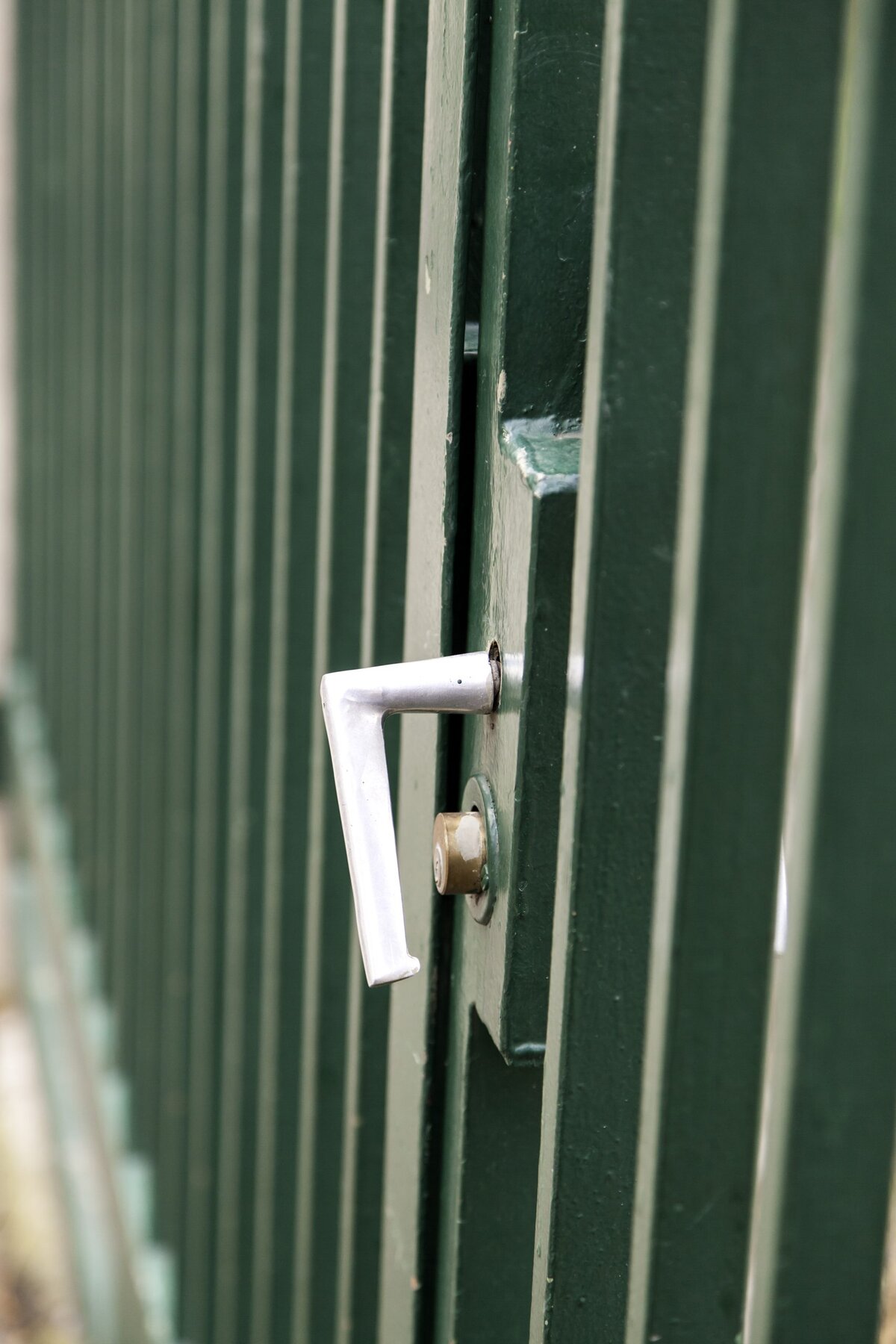
Ever locked yourself out of your apartment and felt that special kind of panic that only a cold doorknob can induce? Yeah, we’ve been there too, and we’ve seen it all from the other side of the lock. In a city that never sleeps, our locks and keys work overtime, and when they decide to take an unscheduled vacation, it feels like a personal betrayal. But what if we told you that most lock and key dramas are completely avoidable? Let’s chat about the unsung heroes of urban life: our locks, our keys, and the smart choices that keep our homes, cars, and businesses secure without the last-minute heart attack.
The Locks We Live With (And Why They Let Us Down)
Think about the last time you really looked at your front door lock. We mean really looked at it. Most of us inherit whatever hardware the previous occupant installed and just… roll with it. That’s like wearing someone else’s worn-out shoes and wondering why your feet hurt. From our perspective at ALO Locksmith in Manhattan, the majority of emergency calls we get—the frantic lockout situations at 2 AM—stem from locks that were either cheap, old, or just plain wrong for the job.
Here’s the lowdown on common residential locks:
- The Basic Deadbolt: The workhorse. A single-cylinder deadbolt is fine for most apartment doors, but is it a high security lock? Not even close. A sturdy kick or some focused wiggling can defeat many standard models.
- The Builder-Grade Handle Set: You know, the shiny knob that came with the place? It’s often more decoration than defense. The latch mechanism inside is usually the weakest link.
- The Ancient Mortise Lock: Full of old-world charm and, frequently, decades of grime and wear. They’re beautiful until the internal mechanism fails and your key just spins uselessly. (We see this a lot in pre-war buildings).
The point is, proactive lock installation or lock replacement beats a reactive panic call every single time. IMO, treating your front door lock like an important appliance, not a forgotten fixture, is the first step to peace of mind.
Leveling Up Your Security Game
So, we’ve established that the standard stuff might not cut it. What are the upgrades that actually make a difference? Let’s talk about creating real barriers, not just polite suggestions to stay out.
High Security Locks: The Bouncers of the Door World
These aren’t your average hardware store finds. High security locks feature hardened steel components, anti-drill plates, and keyways that are patented and restricted. This means only authorized dealers (like, ahem, your friendly nearest ALO Locksmith experts) can cut duplicate keys. They’re a fantastic deterrent because they turn a quick break-in attempt into a loud, time-consuming ordeal—something thieves in NYC generally want to avoid.
Smart Keys & Tech: Convenience Meets Control
Ah, the modern age. Smart keys and digital locks offer a whole new level of control. We’re talking about:
- Keyless entry codes you can change anytime (goodbye, ex-roommate drama!).
- Temporary access for dog walkers or contractors.
- Integration with your home security system.
But a word of caution from our experience: not all smart locks are created equal. Some are glorified gadgets with flimsy physical cores. The key (pun intended) is to pair a smart lock’s brain with a high-security lock’s brawn. We can help you find that perfect hybrid.
The Commercial Mindset for Your Home
Sometimes, the best ideas come from the commercial world. Businesses protect valuable assets, so why shouldn’t you? For a residential property, this might mean:
- Adding a gate lock or a heavy-duty deadbolt to a side entrance.
- Using commercial-grade hinges with non-removable pins.
- Installing a simple access control system for a multi-tenant building.
It’s about thinking like a protector, not just a resident. And if you’re a business owner—whether it’s one of our amazing local restaurants, offices, or shops—this mindset is non-negotiable. Your inventory, data, and employee safety depend on it.
When Wheels Meet Walls: Your Car is an Extension of Your Home
Picture this: You’re loaded with groceries in the rain, you hit the button on your FOB key and… nothing. Or worse, you hear the thunk of the locks and see your keys smiling at you from the driver’s seat. Car locksmith emergencies have a unique flavor of frustration, don’t they?
Modern vehicles are rolling computers, and their locking systems are complex. A car locksmith today needs to be part mechanic, part programmer. It’s not just about slim jims anymore (thankfully, as those can cause damage).
What a true professional car locksmith handles:
- Emergency car lockouts for all makes and models, without damaging your door.
- FOB key and smart key programming and replacement.
- Ignition cylinder repair and replacement.
- Extracting broken keys from locks (a classic move).
The cost of a car lockout service is almost always less than the price of replacing a window you tried to creatively unlock yourself. Just saying. And because these emergencies love to happen far from home, having a reliable, fast 24/7 service like ours on speed dial is a city driver’s secret weapon.
The Real Cost of Waiting: Emergency vs. Preparedness
Let’s get real for a second. We run a 24/7 emergency locksmith service in Manhattan. We love helping people in a pinch—it’s why we’re here. But our favorite calls aren’t the panicked ones; they’re the calm, scheduled appointments where we can actually improve someone’s security.
Why? Because emergency rates and planned service price structures are, well, different. At 3 AM on a Sunday, you’re paying for the immediate solution and our expert’s sleep deprivation 🙂 Scheduling a lock installation on a Tuesday afternoon is simply more economical.
Common Services & What Influences The Cost:
| Service Type | What It Involves | Why The Price Varies |
|---|---|---|
| Emergency Lockout | Gaining non-destructive entry to your home, car, or office. | Time of day, location, complexity of the lock. |
| Lock Rekeying | Changing the internal pins of an existing lock so old keys no longer work. | Number of locks, type of lock (standard vs. high security). |
| Lock Replacement | Removing an old lock and installing a new, more secure hardware. | Price of the new lock hardware (basic to high-end), labor. |
| High Security Install | Installing patented, drill-resistant locks with restricted keyways. | Higher hardware cost, specialized expertise required. |
| Car FOB Programming | Cutting a new physical key and syncing its electronic chip to your car. | Vehicle make/model year, need for dealership software access. |
The bottom line? A small investment in your closest locksmith for a security audit can save you from a bigger, more stressful bill later. It’s the dental cleaning vs. root canal of the security world. FYI.
Your Questions, Our Straight Answers
We hear the same smart questions all the time. Let’s tackle a few.
1. “How do I choose a trustworthy locksmith in NYC?”
Great question. Avoid the generic “800” numbers that just dispatch random contractors. Look for a nearby business with a verifiable local address (like our shop in Manhattan), clear price estimates over the phone, and proper licensing/insurance. A true professional will ask questions about your lock before they arrive. If they refuse to give a ballpark cost, that’s a red flag.
2. “Are smart locks really safer than traditional deadbolts?”
It’s a mix. Their digital side offers great access control and logs. However, the physical lock body still needs to be strong. The best approach is a hybrid: a smart lock built around a Grade 1 or 2 deadbolt core. We often recommend and install these because they give you the best of both worlds—convenience and a physical barrier that’s tough to beat.
3. “I’ve just moved into a new place. What’s the first thing I should do?”
Change the locks or at minimum, have them rekeyed. You have zero idea how many copies of the current key are floating around out there. It’s the single most important security step for any new residential or commercial space. It’s not paranoid; it’s practical. This is one of our most common service calls, and we can usually do it for you in one fast visit.
So, there you have it. Living in this incredible, chaotic city means being prepared for anything—and that includes the humble lock on your door. Whether it’s upgrading that wobbly deadbolt, getting a spare FOB key made before yours dies, or securing your commercial gate, a little foresight goes a ridiculously long way.
Remember, the goal isn’t to live in a fortress; it’s to live with confidence. And when the unexpected does happen (because, let’s face it, this is New York), you’ll know exactly who to call. We at ALO Locksmith are here for both parts of that journey: helping you build a smarter, stronger defense and being the fast, knowledgeable experts who show up when you need us most, day or night. Stay secure out there, folks
Related Articles
People Also Ask
Locksmiths are bound by legal and ethical standards that restrict them from opening certain locks without proper authorization. They cannot open locks on properties where they cannot verify ownership or legal right to access, such as during suspected criminal activity. High-security locks, like some electronic or biometric systems, may also be beyond standard locksmithing capabilities without specialized tools and manufacturer authorization. Additionally, locksmiths will not bypass locks on safes or vaults containing potentially hazardous materials without clearance. The core principle is that professional locksmiths must always request valid identification and proof of ownership, such as a deed or rental agreement, before proceeding to ensure they are not aiding in illegal entry.
No, there is no single master key that can open every lock. Different lock mechanisms, brands, and security levels are designed to be unique. However, within specific keyed systems, a master key can be designed to open multiple locks in that system, such as all doors in an office building while individual keys open only specific doors. This is a controlled security hierarchy. For ultimate security, high-security locks and some electronic systems use unique, restricted keys that cannot be easily duplicated and have no master. Professional locksmiths emphasize that any claim of a universal key is a myth and a major security red flag.
The cost to unlock a lock varies widely based on the service type, time, and location. For a standard residential door lockout during business hours, you might expect a base fee of $50 to $100. Emergency or after-hours services often incur higher rates, potentially ranging from $100 to $250 or more. Automotive lockouts can be similarly priced, while unlocking high-security locks, safes, or electronic systems typically costs more due to specialized tools and expertise. Always request an upfront estimate from a licensed locksmith to avoid surprises. Be wary of quotes that seem unusually low, as they can be a sign of scams leading to inflated final bills.
Yes, a professional locksmith can rekey or replace locks so they all operate with the same key. This process, known as keying alike, is a common service for residential, commercial, and automotive security. It involves disassembling the locks and adjusting or replacing the internal pins and cylinders to match a single key's cut pattern. This provides great convenience for property owners, eliminating the need to carry multiple keys. It is crucial to use high-quality, compatible locks from the same manufacturer or keyway system to ensure reliability. A certified locksmith can assess your existing hardware and recommend the best approach, whether rekeying current locks or installing a new matched set for enhanced security and simplicity.
The cost of a locksmith varies widely based on the service, time, and location. For a standard lockout during business hours, you might pay $50 to $100. Rekeying a lock typically costs $20 to $50 per cylinder, while installing a new deadbolt can range from $80 to $200. Emergency or after-hours calls often incur higher rates, sometimes $150 or more. Additional factors include the lock's brand, the door's material, and travel fees. Always request an upfront estimate and ensure the locksmith is licensed and insured. For complex security systems or high-security locks, prices increase significantly, so getting a detailed quote is essential.
Picking a lock is a skill that should only be practiced on locks you own, for educational purposes, or in emergency situations when you are locked out of your own property. The basic method involves using two tools: a tension wrench and a lock pick. Insert the tension wrench into the bottom of the keyway and apply slight rotational pressure in the direction the key would turn. Then, insert the pick to manipulate the individual pins inside the lock cylinder. Carefully lift each pin stack until you feel the driver pin set at the shear line. With all pins set, the tension wrench will turn fully, opening the lock. This requires significant practice and an understanding of lock mechanics. For security and legal reasons, always rely on a professional locksmith for any situation involving another person's property.
