
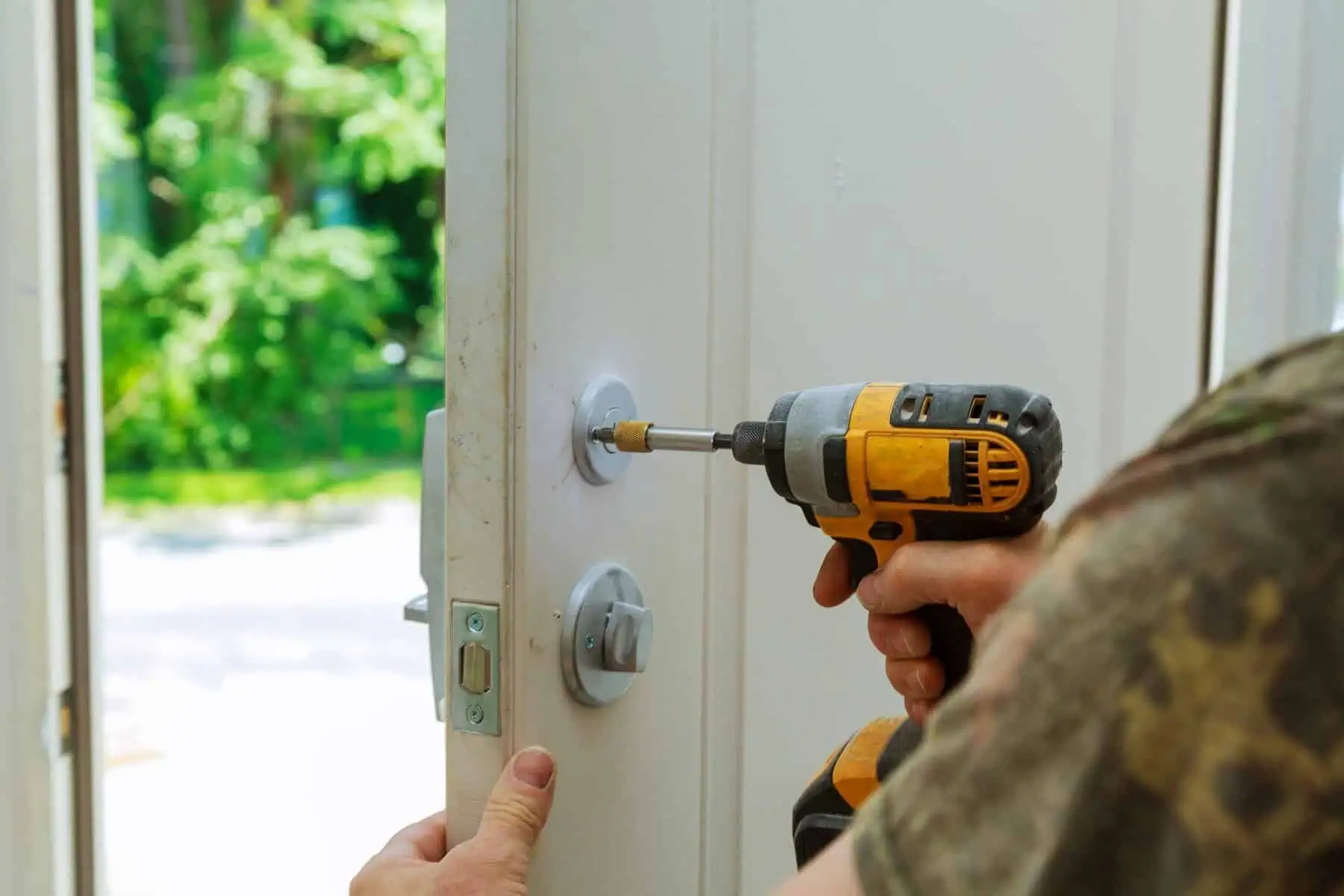
Let’s be honest for a second. We’ve all had that moment—frantically patting down every pocket, the cold dread washing over us as we realize the keys are definitely on the wrong side of that locked door. Whether it’s our apartment, our car, or our business, a lockout doesn’t just ruin our day; it throws a wrench into our entire schedule. And in a city that never sleeps, like our beloved NYC, these little emergencies love to happen at the most spectacularly inconvenient times. That’s why understanding locksmith services isn’t just handy; it’s essential city survival knowledge. Having run ALO Locksmith here in Manhattan for years, we’ve seen it all, and we’re here to chat about what you really need to know.
Your Go-To Guide for Locksmith Services in the Urban Jungle
Think of this as a friendly chat over coffee about all things locks and keys. We’ll cut through the jargon and get straight to the stuff that matters—so you’re never left stranded or unsure.
Residential Security: It’s More Than Just a Deadbolt
Our homes are our sanctuaries. But let’s face it, the flimsy lock the builder installed ten years ago? It’s not exactly Fort Knox. Residential security needs to be smart, sturdy, and suited to your actual life.
- The Mighty Deadbolt (& Why Yours Might Be Laughable): A solid deadbolt is your first line of defense. But not all deadbolts are created equal. That single-cylinder one you have? A burglar can just break a nearby window and turn it from the inside. We always recommend double-cylinder or high security locks for doors with glass nearby. It’s a simple lock installation that buys you immense peace of mind.
- Smart Keys & Tech That Actually Helps: Modern locks are getting clever. Keyless entry pads, smart keys you can control from your phone, and biometric systems aren’t just for spy movies anymore. They offer fantastic convenience—no more fumbling for keys with groceries—and enhanced security. IMO, the best upgrade for a frequent traveler is a lock you can remotely monitor and control. Just saying.
- The “I’m Locked Out!” Panic Button: Lockout emergencies are our bread and butter. The trick is to call a fast and reputable service before you try to “MacGyver” your way in with a credit card (spoiler: that only works in movies and on the weakest locks). A professional locksmith can get you back inside quickly, without damaging your door or lock. This is where having a trusted number saved in your phone, like ours at ALO Locksmith, pays off. We’re 24/7 for a reason!
Commercial & Retail Security: Protecting Your Livelihood
If you run a business—a chic boutique, a bustling restaurant, or a sleek office in Manhattan—your security needs are a whole different ballgame. It’s not just about keeping people out; it’s about controlling access, protecting assets, and ensuring employee safety.
- Access Control is King: Who gets in, and when? For commercial spaces, we often recommend integrated systems. This could mean keypad entries for employees, FOB keys for management, and audit trails so you know exactly who accessed what and when. It’s a game-changer for offices and shops.
- Don’t Forget the Perimeter: That back gate, the service entrance, the delivery door—these are often the weakest links. A sturdy gate lock or a commercial-grade deadbolt on secondary doors is a must. We’ve seen too many businesses focus only on the front door while the back is secured with something a pair of plumbers could defeat. 🙂
- Master Key Systems: Convenience Without Compromise: Tired of a janitorial jingle that sounds like a prison guard’s belt? A well-designed master key system gives different levels of access (e.g., janitors can enter storage rooms but not the executive office) while letting you, the owner, access everything. A proper lock installation for a master system requires experts—get it wrong, and it’s a security nightmare.
Automotive Lifesavers: Because Car Lockouts Are a Special Kind of Awful
Your car locksmith needs are urgent. It’s usually pouring rain, you’re in a hurry, or you’ve got a car full of melting groceries. Car locksmith services have evolved dramatically with modern vehicles.
- Beyond the Slim Jim: Modern cars with transponder keys and FOB keys are complex. Trying to force a lock or “jimmy” a door can trigger alarms or, worse, damage expensive electronic components. A professional uses specialized tools to gain access without a scratch.
- Smart Key & FOB Programming: Losing a FOB key can feel like a financial disaster. Dealerships famously charge a small fortune for replacement and programming. A skilled automotive locksmith can often provide a fast replacement and on-the-spot programming for a fraction of the cost. FYI, this is one of our most popular emergency calls.
- Ignition Repair & Replacement: Worn-out ignitions or broken key fragments inside are common issues. A pro can extract the broken piece and perform a lock replacement efficiently, getting you back on the road.
Navigating the NYC Locksmith Landscape: Price, Proximity, & Peace of Mind
Okay, let’s talk about the elephant in the room: how do you find a reliable, affordable locksmith in NYC without getting scammed? It’s a valid concern.
- “Nearest” Doesn’t Always Mean “Best”: A quick search for the nearest or closest locksmith might pull up a national call center that dispatches unknown contractors. They often advertise a lowball price to get the call, then hike up the cost once they’re on-site. We’ve fixed too many botched jobs from these “ghost” technicians.
- The Value of a Local Expert: A true local Manhattan company, like ours, ALO Locksmith, has a reputation to uphold right here in the community. Our price is transparent, our technicians are vetted experts, and our van is nearby. You get to speak directly with the people who will do the work. When seconds count, knowing exactly who is coming matters.
- Emergency Premiums vs. Fair Cost: Yes, a 24/7 emergency service at 2 AM on a holiday will cost more than a scheduled lock installation on a Tuesday afternoon. Any honest business will be upfront about this. The key is to avoid those shocking, hidden fees.
Common Locksmith Services & What to Expect
| Service Type | Typical Scenario | What a Pro Does | Why DIY is a Bad Idea |
| :— | :— | :— | :— |
| Residential Lockout | Keys left inside the house. | Uses non-destructive entry techniques (lock picking, bypass tools) to open the door without damage. | Can damage locks/door frames, void warranties, and increase repair cost. |
| Car Lockout | Keys locked in a running vehicle. | Uses auto-specific tools (wedges, long reach rods, air bags) to access the interior lock button. | Modern car electronics and airbag systems can be easily damaged by improvised tools. |
| Lock Rekeying | Moving into a new home or an ex-employee has a key. | Removes the old lock cylinder, rearranges the internal pins to work with a new key, and reassembles. | Requires specific pinning kits and knowledge. One mistake renders the lock useless. |
| High Security Lock Installation | Upgrading from a basic builder-grade lock. | Properly fits a high-security lock to the door, ensuring the strike plate is reinforced for maximum strength. | Improper alignment or installation negates the security benefits of the expensive lock. |
Your Top Locksmith Questions, Answered
We hear these all the time, so let’s clear them up.
1. “How much does a locksmith cost in Manhattan?”
This is the big one. There’s no flat fee. The price depends on the service (lockout, lock installation, lock replacement), time of day, and complexity (standard deadbolt vs. high security locks). A reputable company will give you a clear estimate over the phone before they dispatch. Always ask for the total cost, including service call and labor, to avoid surprises.
2. “What should I do if I’m locked out of my car or house?”
First, don’t panic. Double-check all possible entry points (we know, but you’d be surprised). If you’re truly stuck, call a trusted local locksmith. For cars, check if your auto insurance or roadside assistance covers lockouts. For homes, if you have a roommate or family member with a key nearby, call them. If not, it’s time to call the pros. While you wait for us or another nearby expert, just try to stay safe and dry.
3. “Can you make a key without the original?”
In most cases, yes! For homes, a skilled locksmith can often disassemble the lock, decipher its pinning, and cut a new key. For cars, we use the VIN (with proof of ownership) to cut a key by code and then program it. For modern FOB keys, we need specialized programming equipment. It’s one of those jobs that looks like magic but is really just expertise.
So, there you have it. Think of a good locksmith as a vital part of your urban toolkit—not just for emergencies, but for upgrading your everyday security and convenience. Whether you’re fortifying your residential front door, securing your commercial space, or desperately needing a car locksmith after a long day, the goal is the same: a solution that’s fast, reliable, and delivered by experts you can trust.
Next time you’re assessing that wobbly lock or saving a number in your phone, remember that in a city like Manhattan, your peace of mind is worth investing in a real local partner. And hey, if you ever need a hand (or a key), you know who to call. We’re always nearby at ALO Locksmith, ready to help you stay secure.
People Also Ask
The best lock to prevent break-ins is typically a high-security deadbolt from a reputable brand like Medeco, Mul-T-Lock, or ASSA Abloy. Look for a lock with a Grade 1 rating from the American National Standards Institute (ANSI), which is the highest commercial-grade standard for strength and durability. These locks feature hardened steel bolts, anti-drill and anti-pick security pins, and restricted keyways that prevent unauthorized duplication. For maximum protection, pair the deadbolt with a reinforced strike plate secured with long screws into the door frame. Remember, a lock is only as strong as the door and frame it secures, so a comprehensive approach including solid doors, proper installation, and additional security layers is essential.
Yes, changing the locks after moving into a new home or apartment is a highly recommended security practice. You have no way of knowing who else might possess keys from the previous owner or tenant, such as former residents, contractors, neighbors, or family members. This creates a significant vulnerability. Rekeying or replacing the locks ensures that you are the only person with control over access. It is a straightforward procedure for a professional locksmith and provides immediate peace of mind. For related security concerns, such as dealing with a compromised key, our internal article How To Deal With A Broken Key Stuck In Your Manhattan Apartment Door offers valuable guidance on handling similar lock and key emergencies in a residential setting.
No, you should not put WD-40 in a lock. While WD-40 is a popular multi-use product, it is primarily a water-displacing solvent and light rust penetrant, not a dedicated lubricant. When used in locks, its thin formula can attract dust, dirt, and grime over time, which then gums up the internal pins and springs, leading to a worse, stickier malfunction. For proper lock maintenance, use a dry lubricant specifically designed for locks, such as a Teflon-based or graphite powder spray. These products lubricate effectively without leaving a residue that captures debris. For a severely dirty or sticky lock, professional cleaning and lubrication by a locksmith is the recommended course of action.
Police departments generally recommend high-security deadbolts as a primary line of defense. The specific recommendation is often for a single-cylinder deadbolt with a one-inch throw and reinforced strike plate. Brands like Medeco, Mul-T-Lock, or ASSA Abloy are frequently cited due to their resistance to picking, bumping, and brute force attacks. These locks often feature hardened steel bolts, anti-drill plates, and restricted keyways to prevent unauthorized duplication. It is critical that the lock is professionally installed with long screws anchoring the strike plate deep into the door frame's stud. Police emphasize that a high-quality lock is only one component of a comprehensive security plan that should include well-lit entryways and robust doors and frames.
