
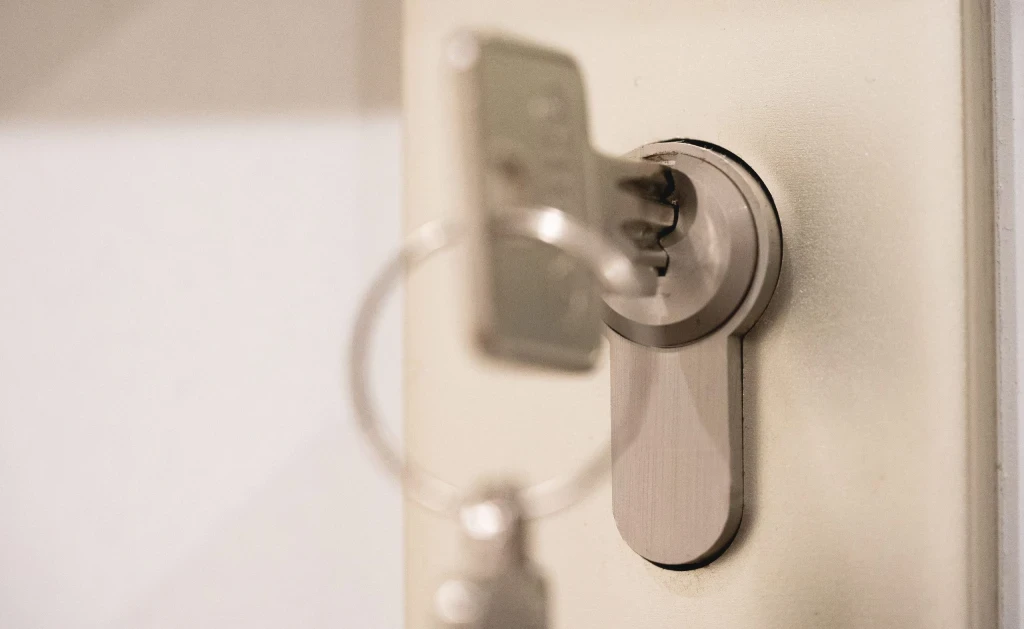
Ever had that heart-sinking moment when you hear your front door close and you just know the keys are laughing at you from the kitchen counter? Or when you’re fumbling with a balky lock in the rain, wondering if it’s finally given up the ghost? We’ve been there, both as fellow New Yorkers and as the people you call to fix it. Let’s talk locks, keys, and the beautiful peace of mind that comes from knowing you’re secure, without any of the boring, technical jargon. We’re just a bunch of enthusiasts who turned a passion for security into ALO Locksmith, your nearest friendly neighborhood experts right here in Manhattan.
Table of Contents
The Usual Suspects: What Drives Us All Crazy
We see it every day. The scenarios are almost universal, whether you’re in a cozy residential walk-up or a sleek commercial tower.
- The Classic Lockout: It’s not a true NYC rite of passage until you’ve been locked out of your apartment, car, or office. The panic, the mild embarrassment, the frantic pocket-patting—we get it.
- The Worn-Out Warrior: That deadbolt you’ve been jiggling for a year finally decides to retire. Mid-turn. With a sickening crunch.
- The Key Catastrophe: Your only key just snapped in the lock. Because of course it did. Or maybe your fancy FOB key for the car decided to stop communicating. Technology, am I right?
The good news? For every one of these annoyances, there’s a straightforward solution. And having a fast, reliable locksmith near you in Manhattan is half the battle won. IMO, it’s the difference between a minor hiccup in your day and a full-blown saga.
Your Security Toolkit: From Basic to “Fort Knox”
Not all locks are created equal, and your needs for a residential brownstone are wildly different from a commercial space like restaurants or shops. Let’s break down the options without putting you to sleep.
For Your Home: More Than Just a Deadbolt
We love a good, solid deadbolt—it’s the bedrock of home security. But we’re living in the future, people!
- High-Security Locks: These are the heavy hitters. They feature hardened steel, anti-drill plates, and keys that are nearly impossible to copy at your nearby hardware store. They tell potential trouble to move along to an easier target.
- Smart Locks & Keyless Entry: Forget fumbling for keys with an armful of groceries. These let you use codes, your phone, or even your fingerprint. They’re fantastic, but they need professional lock installation to ensure they integrate seamlessly with your existing door hardware. We’ve seen DIY attempts that look… creative. Let’s just leave it to the experts.
For Your Business: Protecting Your Livelihood
Commercial
security is a whole different ballgame. It’s not just about a door; it’s about access control, durability, and managing who gets in and when.
- Master Key Systems: Imagine giving a janitor access to every closet but not the server room, while the manager has a single key for everything. A well-designed system is a thing of beauty and efficiency.
- Heavy-Duty Hardware: For offices, shops, and especially exterior gates, you need commercial-grade locks that can withstand constant use and, let’s be honest, the occasional shoulder-check from a delivery person in a hurry.
- Access Control & Keypads: These systems let you grant and revoke access with a click. Lost an employee? Deactivate their code instantly. It’s security that actually keeps up with your business.
For Your Car: When Your Vehicle Gets Moody
Ah, the car locksmith specials. These are some of our most common emergency calls. Modern cars are basically computers on wheels, and their locking systems are no different.
- Smart Keys & FOB Keys: These little gadgets are genius until they fail. We can repair, reprogram, and replace them. Often, we can do it right there on the street, getting you back on your way fast.
- Ignition Repair & Replacement: A worn ignition cylinder can leave you stranded. We handle the repair without damaging your steering column—a common fear, and rightly so!
- Trunk Lockouts: Because who hasn’t watched their groceries get locked in the trunk? 🙂
The ALO Locksmith Difference: Why Your “Nearest” Locksmith Matters
Okay, let’s get real for a second. You search “locksmith near me” and get a million results. Why should you care if we’re your closest option? Well, beyond the obvious convenience when you’re in a panic, it’s about trust and community.
We’re based right here in the heart of NYC. We understand the unique security challenges of Manhattan buildings, the pace of life, and the need for service that’s both top-notch and respectful of your time. When you call ALO Locksmith, you’re not getting a dispatcher in another state; you’re talking directly to the team that will show up at your door.
Our 24/7 emergency service means we’re there for those late-night lockouts or early-morning business crises. And when it comes to price, we believe in transparent, upfront quotes. No hidden fees, no scary surprises—just a fair cost for expert work. We’d rather build a long-term relationship than win a one-time job with a lowball estimate that later balloons.
A Quick Guide: Repair, Rekey, or Replace?
This is the eternal question. Here’s a simple table to help you decide what your grumpy lock actually needs.
| Situation | Likely Solution | Why It’s the Right Call |
|---|---|---|
| Lost keys or ex-tenant/employee key not returned. | Rekeying | Changes the lock’s internal pins so old keys no longer work. It’s more cost-effective than full lock replacement and just as secure. |
| Lock is physically damaged, rusted, or extremely worn. | Lock Replacement | A new lock provides fresh, reliable security. Essential for antique locks or after a break-in attempt. |
| Key turns poorly but lock isn’t damaged. | Repair & Servicing | Often just needs lubrication, cleaning, or a minor adjustment. It’s the simplest fix and can extend the lock’s life for years. |
| Upgrading security or modernizing aesthetics. | Lock Installation of new hardware. | Moving from a basic lock to a high-security or smart lock system. This is where we really get to help you level up. |
Your Top Locksmith Questions, Answered
We hear these all the time, so let’s clear the air.
1. “How quickly can you really get here?”
This is the big one. In a true emergency lockout situation in Manhattan, our goal is often within 30 minutes or less. Traffic is the great variable, but as local experts, we know the backstreets and rhythms of the city to get to you as the fastest nearby option.
2. “Is it cheaper to just call my landlord or a handyman?”
Sometimes, but you often get what you pay for. A handyman might fix the immediate issue, but do they understand the intricacies of high-security locks or commercial master systems? A proper locksmith ensures the integrity of your security isn’t compromised, which saves you money and hassle in the long run. FYI.
3. “Can you make a key if I don’t have the original?”
In most cases, absolutely. For homes, we can often create a new key by decoding the existing lock. For modern cars, we use specialized diagnostic tools to program new FOB keys and transponders. It’s one of our most satisfying magic tricks.
So, the next time a lock has you seeing red, or you’re just thinking it’s time to stop jiggling that old key, remember you’ve got a local team that geeks out about this stuff. At ALO Locksmith, we’re not just fixing problems; we’re giving you one less thing to worry about in this crazy, wonderful city. That’s a feeling that’s truly priceless. Give us a shout—let’s keep your world secure, simple, and smoothly running.
Related Articles
Top Lock Brands Recommended by ALO Locksmith for NYC: The 2026 Guide to Uncompromising Apartment Security
ANSI Lock Grades Explained: How ALO Locksmith Helps NYC Buildings Choose The Right Security To Prevent Break-Ins, Pass Inspections, And Avoid Costly Fines
Identify, Secure & Upgrade Pre-War Apartment Locks in NYC: Expert Guide from ALO Locksmith Manhattan
People Also Ask
For commercial properties in Manhattan, ANSI Grade 1 is the superior choice. Grade 1 locks are engineered for high-traffic, heavy-duty use and offer the highest level of security and durability. They are tested to withstand over 800,000 cycles, making them ideal for main entry doors in apartment buildings and offices. Grade 2 locks are designed for lighter commercial or heavy residential use, with a cycle rating around 150,000. While Grade 2 is still a solid option for interior doors, it does not provide the same resistance to forced entry or wear. For a detailed breakdown of these standards, please refer to our internal article titled ANSI Lock Grades Explained By ALO Locksmith For NYC Buildings. ALO Locksmith Services Manhattan NYC recommends Grade 1 for any exterior or high-security application in the city.
For most residential and commercial applications in Manhattan, the best choice is a Grade 2 lock. Grade 2 locks offer a strong balance of security, durability, and cost, making them ideal for high-traffic doors in apartment buildings and small offices. Grade 1 locks provide the highest security for commercial storefronts but can be overkill for a standard residence. Grade 3 locks are for light-duty interior use and are not recommended for exterior doors. For a full breakdown of security levels, please refer to our internal article titled ANSI Lock Grades Explained By ALO Locksmith For NYC Buildings. ALO Locksmith Services Manhattan NYC always recommends matching the lock grade to the specific door usage and foot traffic.
Yes, a Grade 2 lock is generally considered a very good choice for residential and light commercial applications. According to industry standards, Grade 2 locks offer a strong balance between security and cost, making them ideal for multi-family dwellings or office doors in Manhattan. For most homeowners, a Grade 2 lock provides sufficient resistance against forced entry while remaining affordable. For a deeper understanding of how these ratings apply to your specific building requirements, we recommend reviewing our internal article titled ANSI Lock Grades Explained By ALO Locksmith For NYC Buildings. If you need expert installation or advice, ALO Locksmith Services Manhattan NYC can help you select the right grade for your property.
For residential interior doors where security is a lower priority, ANSI Grade 3 is acceptable. However, for any exterior door in Manhattan, Grade 3 is not recommended. These locks are designed for light-duty, residential use and offer minimal resistance against forced entry. For a building's main entrance or any door leading directly outside, you need at least a Grade 2 lock for better security. If you want to understand the full spectrum of lock strength, our internal article titled 'ANSI Lock Grades Explained By ALO Locksmith For NYC Buildings' provides a detailed breakdown. You can find it here: ANSI Lock Grades Explained By ALO Locksmith For NYC Buildings. For the best protection against break-ins, ALO Locksmith Services Manhattan NYC always advises upgrading to Grade 1 for all perimeter doors.
When evaluating lock security for your Manhattan apartment, the American National Standards Institute (ANSI) grades locks into three categories. Grade 3 is the entry-level standard for residential interior doors, offering basic security. Grade 2 is a heavy-duty residential or light commercial grade, providing better durability and pick resistance. Grade 1 is the highest commercial standard, offering the strongest security and most rigorous testing for bolt strength and cycle life. For a primary entry door in a busy New York building, a Grade 1 deadbolt is the industry standard for maximum protection. For a comprehensive overview of the most secure hardware, we recommend reviewing our internal article titled Top Lock Brands Recommended by ALO Locksmith for NYC: The 2026 Guide to Uncompromising Apartment Security. ALO Locksmith Services Manhattan NYC always advises clients to choose a lock that matches their specific security needs and door type.
For standard residential use, an ANSI Grade 3 lock provides the minimum level of security required by industry standards. These locks are typically the most affordable and are designed for light-duty applications, such as interior doors or low-traffic rental units. However, for a primary exterior door in a busy area like Manhattan, a Grade 3 lock may be insufficient against forced entry. Professional locksmiths generally recommend at least a Grade 2 lock for apartment doors to ensure better durability and pick resistance. For a comprehensive analysis of the best security hardware for your specific situation, please refer to our internal article titled Top Lock Brands Recommended by ALO Locksmith for NYC: The 2026 Guide to Uncompromising Apartment Security.
For apartment security in Manhattan, an ANSI Grade 1 smart lock represents the highest residential standard for durability and forced-entry resistance. This rating, certified by the American National Standards Institute, ensures the lock withstands over 800,000 open-close cycles and significant physical impact. When selecting a Grade 1 smart lock, prioritize models with BHMA certification and hardened steel construction. For comprehensive guidance on selecting the best brands that meet these rigorous specifications, please refer to our internal article Top Lock Brands Recommended by ALO Locksmith for NYC: The 2026 Guide to Uncompromising Apartment Security. ALO Locksmith Services Manhattan NYC always recommends pairing any smart lock with a heavy-duty deadbolt and strike plate reinforcement to maximize security against common break-in techniques in urban environments.
For the highest level of security in a Manhattan apartment, BHMA Grade 1 locks represent the industry standard for commercial and high-end residential use. These locks are tested to withstand over one million cycles and are resistant to forced entry, making them ideal for main entry doors. When selecting a Grade 1 lock, look for features like a hardened steel bolt and anti-pick pins. For a comprehensive overview of top-tier options, please refer to our internal article Top Lock Brands Recommended by ALO Locksmith for NYC: The 2026 Guide to Uncompromising Apartment Security. ALO Locksmith Services Manhattan NYC recommends pairing these locks with a heavy-duty strike plate and 3-inch screws for maximum frame reinforcement.
For residential or light commercial use, an ANSI Grade 2 lock offers a strong balance between security and cost. It is a standard choice for many apartment doors in Manhattan, providing reliable protection against forced entry. While not as robust as Grade 1, it is significantly more durable than Grade 1. When selecting a new lock, ensure it meets this standard for peace of mind. For a deeper look into the most secure models available for your property, we recommend reviewing our internal article titled Top Lock Brands Recommended by ALO Locksmith for NYC: The 2026 Guide to Uncompromising Apartment Security. ALO Locksmith Services Manhattan NYC can help you identify the perfect Grade 2 lock that fits your specific door and security needs.
