
Ever locked yourself out of your apartment and felt that special kind of panic that only a cold door handle can provide? Yeah, we’ve been there too, and as locksmiths in NYC, we’ve seen every variation of the “key fumble” you can imagine. It’s a universal NYC experience, right up there with complaining about subway delays. But here’s the thing: the world of locks, keys, and security has evolved way beyond that single, terrifying moment. Whether we’re talking about the deadbolt on your Brooklyn brownstone, the high-tech access system for your Midtown office, or the stubborn lock on your car door in a Queens parking garage, getting a handle on your security doesn’t have to be a mystery. Let’s walk through it together.
Table of Contents
Getting to Know Your Locks (They’re More Interesting Than You Think)
We often take locks for granted until they stop working—or until we’re staring at them from the wrong side. But understanding what you have is the first step to real security. IMO, it’s worth a quick audit.
The Residential Lineup: More Than Just a Deadbolt
For most of our homes, we rely on a few key players. The deadbolt is the classic workhorse, and for good reason. A properly installed, grade-1 deadbolt is your first, best line of defense. But is it enough on its own? Often, not really. We see so many apartments with a flimsy handle lock doing all the work while a sad, unused deadbolt hole sits above it. That’s like wearing a raincoat but leaving it unbuttoned in a storm.
Then we have the new kids on the block: smart locks and high-security locks. Smart locks offer convenience (goodbye, fumbling for keys with groceries!), but we always advise pairing them with a traditional, physically strong deadbolt. High security locks, with their restricted keyways and drill-resistant features, are like the VIP bouncers of the lock world—they seriously cut down on unauthorized copying and brute-force attacks.
The Commercial Side: Where Things Get Complex
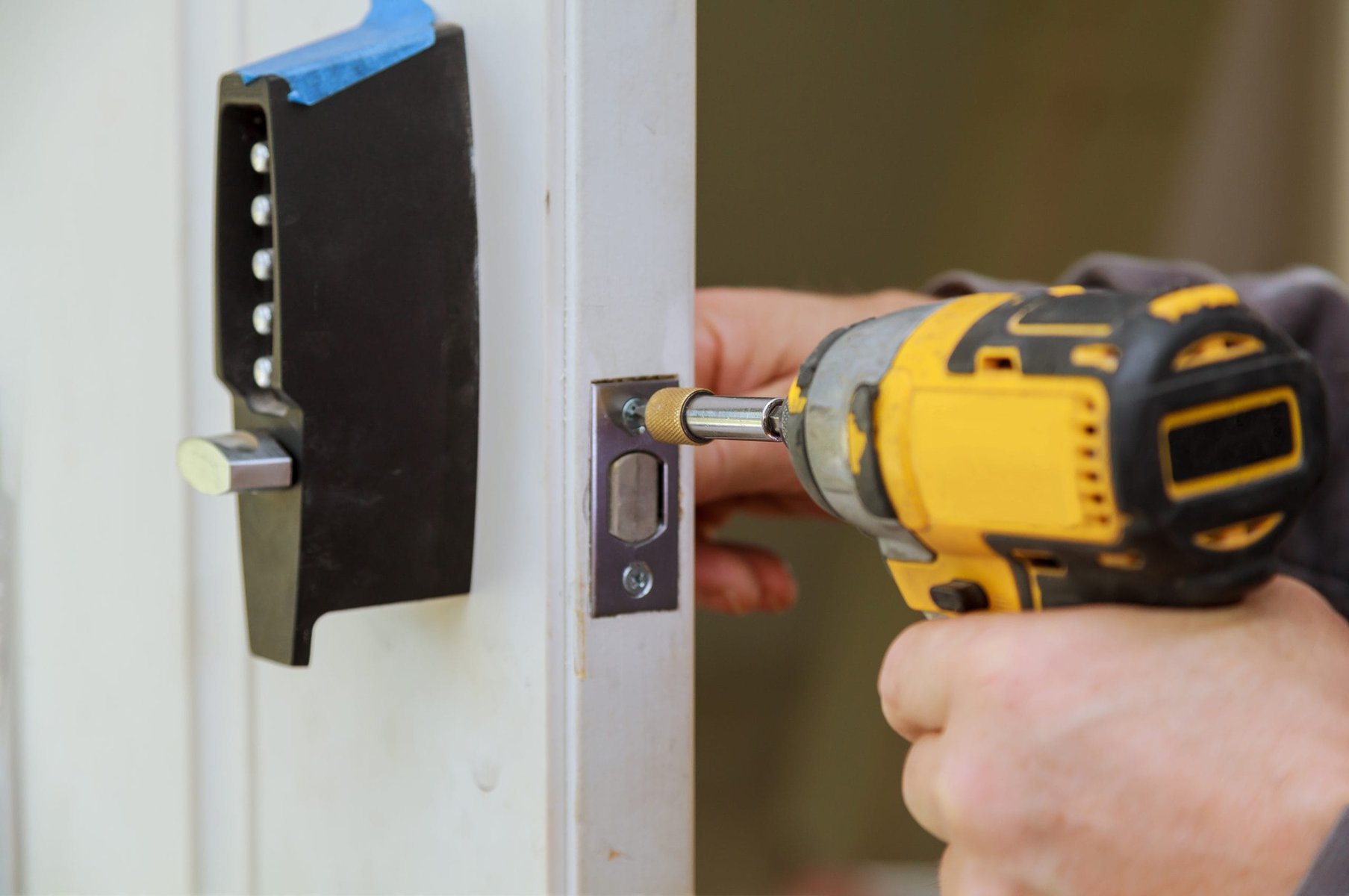
When we move to commercial spaces—your offices, shops, and restaurants—the game changes. It’s not just about keeping people out; it’s about managing who gets in, when, and where. We’re talking about master key systems for managers, different access for staff, and maybe a separate gate or storage room. A lock installation here isn’t a one-and-done deal; it’s a puzzle of access control. A single point of failure (like a lost master key) can mean re-keying an entire building. That’s a cost and headache no business owner needs. This is where working with experts who design these systems daily, like our team at ALO Locksmith in Manhattan, saves you a world of trouble later.
When Disaster Strikes: The Realities of Lockouts & Emergencies
Let’s be real for a second. The most common reason people search for a locksmith is also the most stressful: the emergency. The dreaded lockout. It happens to the best of us. You’re late, you’re distracted, and click—you’re having a profound moment of regret on your own doorstep or in a dark parking lot.
Why Your “Nearest” Locksmith Isn’t Always Your Best Bet
We get it. In that moment, you’re frantically Googling “nearest locksmith” or “locksmith near me.” But here’s a bit of friendly, experienced advice: the closest option isn’t always the right one. The locksmith industry, especially for emergency calls, has its share of bad actors who advertise local addresses but are actually national call centers that subcontract to anyone available. They might quote a low price on the phone, then show up and jack up the cost astronomically. It’s a classic bait-and-switch that gives honest locksmiths a headache.
So, what’s the play? Have a trusted, local number saved in your phone before you need it. Look for a company with a verifiable local address (like our shop right here in Manhattan). When you call ALO Locksmith for an emergency, you get a clear, upfront price and a local NYC technician who knows the boroughs like the back of their hand. No surprises, just a fast solution.
The Car Lockout: A Special Kind of Agony
Ah, the car locksmith special. Maybe your FOB key decided to die a silent death, or your toddler lovingly threw your keys into the footwell and you closed the door. Modern cars with smart keys are fantastic until they aren’t. A 24/7 car locksmith service isn’t just a luxury in this city; it’s a necessity. The right technician needs specific tools and knowledge for your make and model to get you in without a scratch. Trying to jimmy it yourself? We’ve seen the bills for those repairs, and trust us, the locksmith cost is the cheaper option.
Investing in Peace of Mind: Proactive Security Upgrades
Okay, enough doom and gloom. Let’s talk about the fun part: making your life more secure and convenient before something goes wrong. Think of this as routine maintenance for your peace of mind.
Upgrade Your Hardware, Upgrade Your Life
Whether it’s residential or commercial, a proactive lock replacement or lock installation is one of the highest-return security investments you can make. For homes, moving to a high security lock system means you control who can copy your keys. For businesses, re-keying or installing a new system after an employee leaves is Security 101. FYI, we’ve helped countless restaurants and shops in the city do exactly this—it’s a quick process that instantly closes a security gap.
The Convenience Factor: Smart Tech Done Right
Smart locks and keyless entry are here to stay. The ability to grant temporary access to a dog walker or let in a contractor while you’re at work is magical. But please, let’s not replace physical security with digital convenience alone. The best systems integrate both. We love helping folks set up systems where a smart lock manages the day-to-day, but a robust deadbolt or high security locks provide the physical backbone. It’s about layers.
Your NYC Locksmith Questions, Answered
We hear the same great questions from our customers all the time. Here are the big three:
1. How much does a locksmith in Manhattan actually cost?
This is the million-dollar question, isn’t it? The truth is, it depends. A simple lockout service has one price, a lock installation for a new deadbolt another, and a complex commercial master key system is a custom project. The key (pun intended) is transparency. A reputable shop like ALO Locksmith will always give you a clear, upfront quote before any work begins. No hidden fees, no last-minute surprises.
2. What’s the difference between re-keying and replacing a lock?
Great question! Re-keying means we change the internal pins of your existing lock so that the old key no longer works. It’s fast, cost-effective, and perfect if your locks are in good shape but you need to change access (like after a move). A lock replacement means swapping out the entire hardware for something new—better for upgrades, damaged hardware, or when you want a different style or security level.
3. Are smart locks really secure, or are they just hackable gadgets?
They can be very secure, but not all are created equal. We stick with reputable brands that use strong encryption—the same kind used in online banking. The physical build quality matters too. The weak point is rarely the digital hack; it’s often the physical durability of the lock itself. That’s why, again, we recommend them as part of a layered security approach.
Choosing Your Partner in NYC Security
So, how do you pick the right help in a city of millions? Look for a few simple things:
- Local Presence: A real, nearby address. You want a team that knows NYC buildings and challenges.
- Clear Communication: Upfront pricing and a friendly, professional demeanor on the phone.
- Range of Expertise: Can they handle your car locksmith emergency, your commercial gate, and your residential deadbolt upgrade? Versatility is a sign of experience.
- Availability: 24/7 emergency service isn’t just a tagline; it’s a promise to be there when you need it most.
| Scenario | Reactive Cost (Emergency) | Proactive Cost (Scheduled) | The Proactive Advantage |
|---|---|---|---|
| Lost House Keys | Emergency re-key/service call + potential lock upgrade if compromised. | Scheduled re-keying of all exterior locks. | Saves money & stress. You control the timing, avoid premium rates, and ensure security isn’t breached. |
| Car Lockout | Emergency car locksmith call, often at a higher after-hours rate. | Programming a spare FOB key and keeping it in a safe place. | Prevents the crisis entirely. A spare smart key is cheaper than most emergency lockout calls. |
| Worn-Out Lock | Could lead to a lockout or break-in, requiring an emergency lock replacement. | Noticing the wear and scheduling a lock replacement at your convenience. | You choose the hardware. Avoid being forced into a quick, possibly more expensive, decision during a crisis. |
| Employee Turnover | Risk of unauthorized access, potentially leading to theft or vandalism. | Scheduled re-keying or access code changes as part of offboarding. | Maintains security integrity. It’s a standard, budgeable business practice that protects your assets. |
At the end of the day, it’s all about feeling safe and in control. Your locks are the silent guardians of your daily life, from your family’s home to the business you’ve built. They deserve a little thought and care. So, take a look at your front door tonight. Give that deadbolt a check. And maybe save our number at ALO Locksmith before you find yourself in a pinch. We’re here to help make the security side of your NYC life one less thing to worry about. After all, we’ve all got enough to deal with—finding a reliable locksmith in Manhattan shouldn’t be one of them.
Related Articles
Safe Installation And Relocation Services In Chelsea By ALO Locksmith
Stop Bodega Break-Ins: 5 Proven Lock Upgrades for NYC
People Also Ask
The 30 30 30 rule is a common industry guideline for restaurant security and emergency preparedness. It suggests that within 30 seconds of an incident, staff should assess the situation; within 30 minutes, management should have a plan in place; and within 30 days, a full review and update of security protocols should occur. For locksmith services, this rule emphasizes the need for rapid response to lockouts or security breaches. ALO Locksmith Services Manhattan NYC often advises local restaurants to implement this rule alongside regular lock maintenance, ensuring that if a key is lost or a lock fails, the business can quickly regain secure access without prolonged disruption. This proactive approach helps protect inventory and customer safety.
For handling cash, the four recommended procedures for safety and security are: first, always count cash in a secure, private area away from public view to prevent theft. Second, use a drop safe or time-delay safe to limit access and deter robbery. Third, vary your routine and schedule for deposits to avoid predictable patterns. Fourth, maintain a strict policy of dual control, where two employees are present during cash handling and counting. ALO Locksmith Services Manhattan NYC recommends these industry standards to minimize risk. Implementing these steps helps protect staff and assets from internal and external threats.
For medical offices and pharmacies, safe cash handling requires strict protocols. Staff should use a drop safe with time-delay locks to deter theft. Daily cash counts must be verified by two employees, with discrepancies reported immediately. All transactions should be logged, and cash drawers limited to a small float. Secure transport to the bank is critical, ideally using a bonded service. For physical security, high-security locks on safes and doors are essential. For more detailed guidance on securing your facility, please refer to our internal article How To Secure A Pharmacy Or Medical Office. ALO Locksmith Services Manhattan NYC recommends integrating these procedures with regular security audits to maintain compliance and safety.
Determining pricing for your restaurant menu involves balancing food costs, overhead, and market demand. A common industry standard is to keep food costs between 28% and 35% of the menu price. For example, if a dish costs you $4 in ingredients, you should charge between $11.43 and $14.29. You must also factor in labor, rent, utilities, and desired profit margin. Study your competitors in Manhattan to gauge local pricing, but avoid undercutting yourself. For operational security, ensure your establishment has reliable access control. If you need assistance with secure entry systems, ALO Locksmith Services Manhattan NYC can help protect your business assets. Ultimately, test your prices and adjust based on customer feedback and sales data.
