
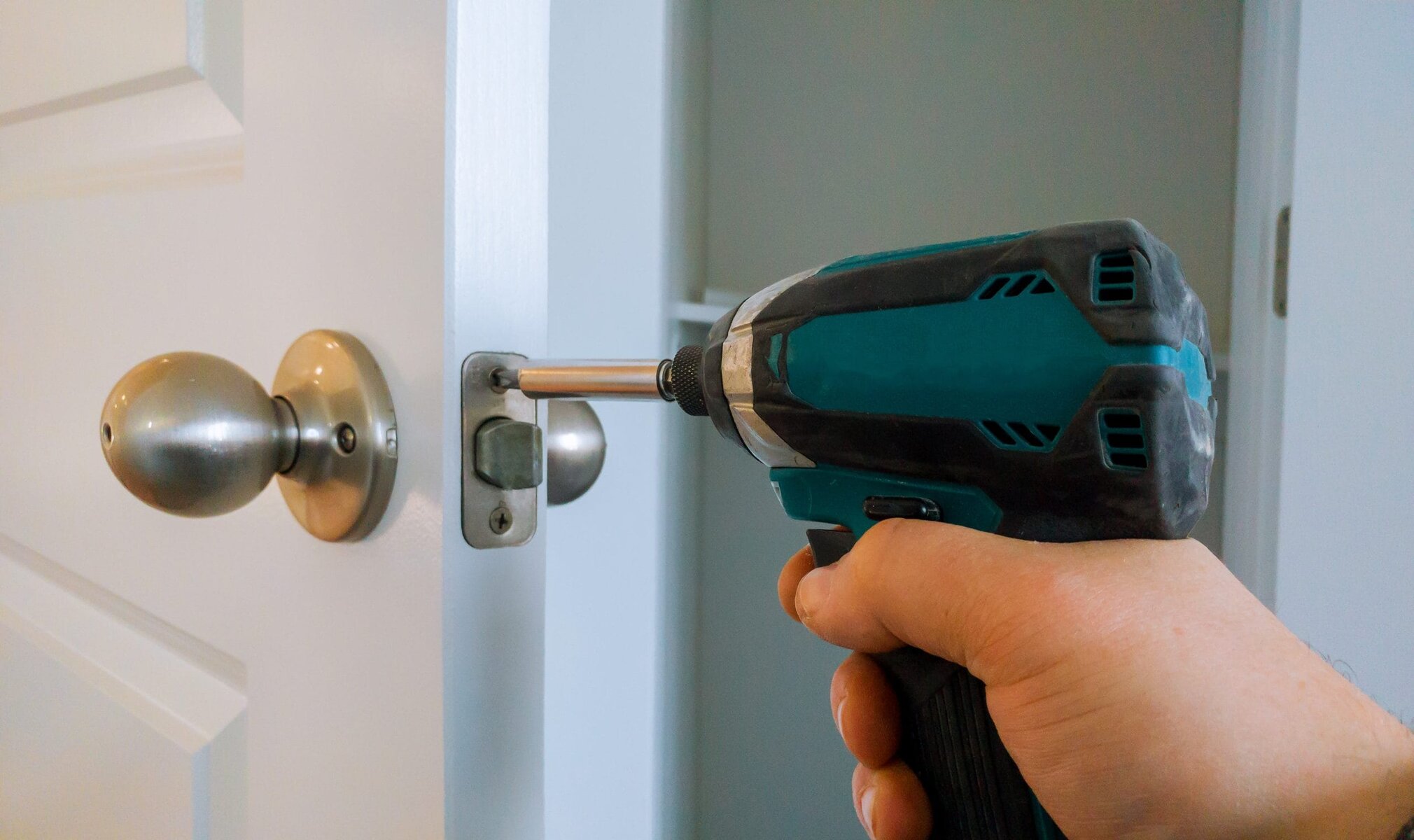
Why Moving to a Manhattan Apartment Demands Immediate Rekeying
Rekeying your new Manhattan apartment immediately upon receiving keys is essential because landlords in New York City are not legally required to change lock cylinders between tenancies. This process alters the internal tumbler pins of the lock, rendering all previous keys obsolete while preserving original door hardware and maintaining tenant compliance.
When moving into a Manhattan residence, the key handed over at lease signing is rarely exclusive to you. Over a typical residential lease term, physical duplicate keys are regularly distributed to dog walkers, sub-tenants, cleaning services, contractors, and real estate brokers. Because physical keys do not expire when a tenancy terminates, every duplicate cut during prior years remains a potential entry vector into your private home.
Under New York State Multiple Dwelling Law Section 51-c, tenants in multi-family residences maintain the statutory right to install or rekey an entrance door lock separate from the landlord baseline lock. The law dictates that a duplicate key must be provided to the property owner or managing agent upon written request. This legal framework ensures we can secure your living space against unauthorized legacy key access without violating lease covenants.
Rekeying provides complete key control at a fraction of the expense required for total hardware replacement. By replacing the internal bottom pins, top pins, and springs within the existing cylinder, we reset your lock cylinder combination to a brand-new bitting profile. All existing physical keys in circulation instantly become ineffective.
Real-World Field Case: Resolving Complex Lock and Master Key Conflicts in Upper East Side Pre-Wars
Manhattan pre-war apartments frequently present complex lock alignment failures and master key conflicts during tenant transitions, requiring precision cylinder re-pinning. We resolve these severe field issues by auditing multi-shear line tumbler stacks, removing unauthorized sub-master pins, and re-keying cylinders to restricted keyways while preserving emergency access compliance.
During a service call to an Upper East Side brownstone, a new tenant discovered that her key unlocked her neighbor’s apartment door, while a maintenance passkey operated her top deadbolt cylinder unexpectedly. Upon disassembling the heavy mortise lockset, we identified a dangerous historic defect known as ghost pinning. Over decades of tenant turnover, previous technicians had inserted multiple split master pins into the cylinder stack, creating seven distinct shear lines that allowed non-designated keys to operate the lock.
To solve this critical security breach, we removed the compromised pin stacks, re-machined the internal cylinder plug, and calculated a dedicated 6-pin depth profile unique to that single apartment door. We integrated a restricted, anti-duplication cylinder core that prohibits key duplication at local hardware stores without authorized credential cards. Furthermore, we verified that the interior thumb-turn mechanism functioned smoothly to satisfy emergency egress mandates.
In another complex Manhattan case on a Tribeca commercial-to-residential loft conversion, an existing high-security deadbolt bound completely due to settled door frame masonry. Rather than replacing the expensive architectural hardware, we extracted the cylinder, re-pinned the bottom chamber, adjusted the strike plate engagement by two millimeters, and re-cut nickel-silver keys on-site. This structural adjustment restored effortless lock operation while saving the client hundreds of USD in custom door modification fees.
Rekeying vs. Full Lock Replacement: A Manhattan Decision Framework
Choose rekeying when your existing lock hardware is structurally sound, code-compliant, and of high quality, as it delivers a cost-effective security reset by reconfiguring internal tumbler pins. Opt for full lock replacement when existing hardware shows mechanical wear, fails fire safety egress regulations, or lacks high-security pick resistance.
If your entry door features a durable Grade 1 deadbolt or a commercial Mortise lockbox, rekeying is almost always our primary technical recommendation. The mechanical housing, bolt assembly, and latching mechanism remain attached to the door, minimizing labor and preventing cosmetic damage to original pre-war woodwork. Rekeying allows us to clear out all historical access credentials within 20 minutes.
If you require protection against bump attacks, physical drilling, or unauthorized key copying, upgrading to a high-security lock body with key control patents is preferable to basic pin alterations. High-performance lock cylinders feature hardened steel inserts and side-mounted locking bars that resist aggressive mechanical bypass methods. If you prioritize keyless access or remote management, build an integrated smart lock system into your entryway.
Conversely, full lock replacement becomes mandatory when existing door hardware violates municipal safety rules. For instance, double-cylinder deadbolts requiring a key from the inside violate NYC fire regulations on primary exit doors. If your new home contains a double-cylinder lock, we recommend replacing the unit immediately with a single-cylinder thumb-turn deadbolt to preserve life safety during emergencies.
Detailed Comparison: Rekeying vs. Lock Replacement vs. Smart Lock Retrofit
Comparing rekeying, lock replacement, and smart lock retrofitting requires evaluating primary objectives, total material costs, hardware preservation, physical security enhancements, municipal fire code compliance, and execution time. We outline these key operational trade-offs below to help Manhattan property owners and tenants select the ideal access solution.
| Selection Factor | Lock Rekeying | Full Lock Replacement | Smart / Electronic Retrofit |
|---|---|---|---|
| Primary Objective | Invalidate legacy physical keys | Upgrade lock hardware & grade | Keyless entry & remote monitoring |
| Average Cost Range | 75 USD to 150 USD per cylinder | 180 USD to 450 USD per door | 250 USD to 600 USD per door |
| Hardware Preservation | Retains original lock housing | Replaces entire lock assembly | Replaces or adapts existing lock |
| Physical Security Boost | Resets key profile only | Improves drill & pick resistance | Moderate; depends on cylinder |
| FDNY Fire Code Risk | Low; keeps existing geometry | Low if thumb-turn model used | Medium; requires thumb-turn exit |
| Key Duplication Control | Depends on cylinder type | High with restricted keyways | Controlled via digital app codes |
| Typical Execution Time | 15 to 30 minutes | 45 to 90 minutes | 45 to 60 minutes |
Step-by-Step Procedure for Tenant Rekeying in Manhattan
Successfully rekeying your Manhattan apartment requires auditing your current hardware, hiring a licensed locksmith, re-pinning the internal cylinder, testing physical operation, and delivering a duplicate key to property management. Following this strict protocol ensures your security remains uncompromised by legacy keys while keeping your tenancy in complete legal compliance.
- Inspect your existing door lock hardware to determine whether you have a tubular deadbolt, rim cylinder, or commercial mortise lockset.
- Hire a licensed locksmith registered with local regulatory bodies and compliant with NYC Department of Housing Preservation and Development standards.
- Have our technician remove the lock cylinder plug, clear the existing pin stacks, and insert exact shear-line pins matched to a new key profile.
- Test the newly rekeyed cylinder mechanically from both inside and outside positions with the door fully closed and latched.
- Provide one duplicate copy of the new working key to your landlord or building property manager alongside a written notification receipt.
Common Failure Modes and Security Vulnerabilities in NYC Lock Transitions
The most critical security failures during Manhattan lock transitions occur when property occupants rely on commercial key stamps without verifying internal shear lines or when improper installation causes severe latch binding. These technical errors leave entry doors vulnerable to unauthorized access, sudden lockouts, and municipal fire code violations.
A frequent failure mode we observe in field diagnostics is master key contamination caused by incomplete re-pinning. When amateur technicians rekey a master-keyed building cylinder, they sometimes leave small master shims inside the chamber. This leaves multiple hidden shear lines inside the cylinder plug, allowing unauthorized passkeys from previous tenants to still turn the lock core.
Another critical vulnerability involves forcing misaligned strike plates on heavy steel building frames. In Manhattan apartment structures, seasonal temperature shifts and structural settling cause door frames to shift out of plumb. Forcing a deadbolt into a misaligned frame jamb subjects the lock cylinder bolt to heavy side-pressure, causing internal pin fatigue, key bending, and sudden mechanical lock failure.
Finally, installing lock hardware that requires an interior key violates NYC Fire Code regulations mandating keyless single-motion egress from inside the dwelling unit. In a smoke-filled emergency, searching for a physical key to unlock your front door from the inside poses a catastrophic safety hazard. We strictly correct these non-compliant setups by installing code-approved single-cylinder deadbolts equipped with interior thumb-turns.
Frequently Asked Questions
Is my NYC landlord legally required to rekey the lock before I move in?
No, New York City landlords are not legally required to rekey or replace apartment door locks between tenancies. While reputable property management companies frequently execute lock changes voluntarily, municipal housing regulations place the responsibility of securing legacy access primarily on the incoming tenant.
Can a landlord charge extra rent or fees if I rekey my apartment door?
No, landlords cannot charge extra rent, administrative fees, or security surcharges when you rekey or install an additional entrance lock. Under New York State law, any lease clause imposing a fee or financial penalty for exercising your right to lock security is legally void and unenforceable.
What is the average cost for rekeying an apartment lock in Manhattan?
A standard residential lock rekey in Manhattan typically ranges from 75 USD to 150 USD per cylinder, depending on hardware complexity and high-security keyway requirements. This service is significantly more affordable than full lock replacement, which often ranges from 180 USD to over 450 USD per lock assembly.
What happens if I change my lock without giving a key copy to my landlord?
Failing to provide your landlord with a duplicate key violates statutory tenant obligations and prevents management from entering during urgent building emergencies like pipe bursts. If an emergency occurs, building management or first responders may lawfully breach the door, leaving the tenant financially liable for frame and door repairs.
How long does a professional locksmith take to rekey a standard door cylinder?
A professional locksmith typically completes a standard deadbolt or mortise cylinder rekeying within 15 to 30 minutes per lock cylinder on-site. Complex pre-war mortise locksets or custom master keying configurations may require up to 45 minutes of dedicated field service per entry door.
Sources
- New York State Senate Consolidated Laws – Multiple Dwelling Law Section 51-c: https://www.nysenate.gov/legislation/laws/MDW/51-C
- NYC Department of Housing Preservation and Development (HPD) Tenant Rights & Lock Guidelines: https://www.nyc.gov/site/hpd/index.page
- NYC Administrative Code Subchapter 15 (Locksmith Licensing & Regulations Section 20-299)
- NYC Fire Code Section 1010.1 (Means of Egress and Door Hardware Requirements)
People Also Ask
For security and peace of mind when moving into a new house, rekeying the existing locks is often the most cost-effective and efficient solution. Rekeying changes the internal pins so your old key no longer works, while new keys are cut for the lock. This is ideal if your current locks are in good condition. However, if the locks are old, damaged, or you want higher security, replacing them entirely is the better choice. For expert advice on this decision in Manhattan, see our internal article titled Changing Locks After A Tenant Moves Out In NYC. ALO Locksmith Services Manhattan NYC recommends assessing the lock quality first; if they are standard grade, rekeying is sufficient, but upgrading to high-security deadbolts provides superior protection against picking and bumping.
No, Home Depot does not rekey locks for free. They charge a service fee per lock, typically ranging from $5 to $15 per cylinder, plus the cost of a new key set. This service is available at their in-store hardware counters, but it requires you to bring the lock to them. For a more comprehensive and professional solution, consider a dedicated locksmith. For homeowners and landlords in Manhattan seeking total key control without replacing hardware, we recommend reading our internal article titled Rekeying Locks in Manhattan, NYC | Regain Total Key Control Without Replacing a Single Lock. ALO Locksmith Services Manhattan NYC provides on-site rekeying, ensuring all locks are matched to a single key, which is often more convenient and secure than a retail store service.
Yes, you should rekey a new house immediately after moving in. You have no way of knowing how many copies of the keys exist or who might have access to them. Previous owners, contractors, real estate agents, and even neighbors could possess a spare key. Rekeying ensures that only your specific key will work in the locks, providing immediate security and peace of mind. For professional assistance, ALO Locksmith Services Manhattan NYC can handle this task efficiently. For more on securing your property, see our internal article titled Why You Should Upgrade Your Locks After A Break-In.
Yes, you should always change the locks when moving into a new house. You have no way of knowing how many copies of the keys exist, as previous owners, tenants, contractors, or real estate agents may still hold duplicates. For maximum security, it is best to have a professional rekey or replace all exterior locks. This ensures that only you and your family have access. For detailed guidance on securing your home after a move, you can refer to our internal article Why You Should Upgrade Your Locks After A Break-In. ALO Locksmith Services Manhattan NYC recommends this as a standard safety step for any new residence.
